
Essays
Essay Title (Template)
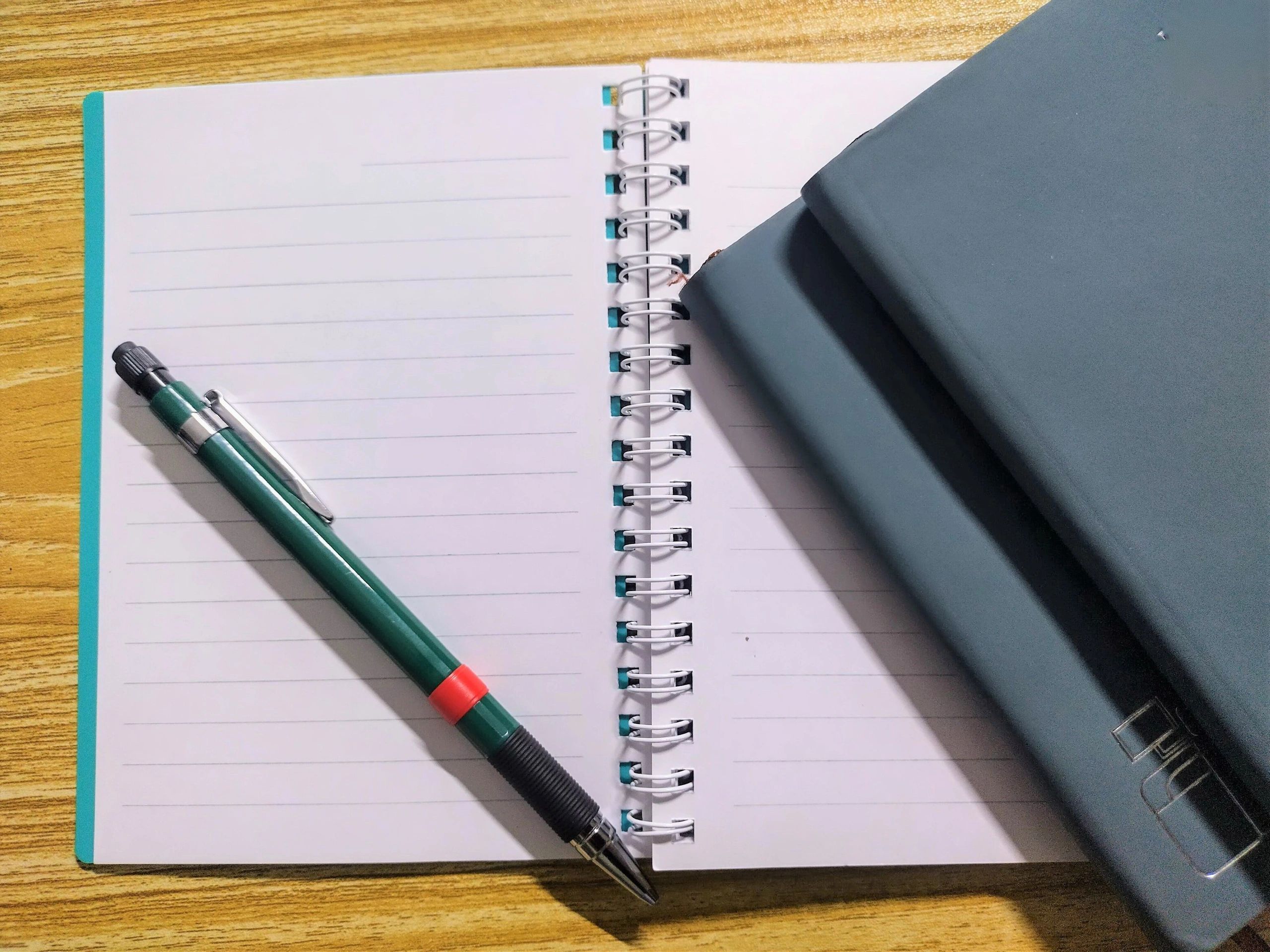
A clean, reading-first layout with space for an opening image, a short abstract, and sections you can expand with your own text.
Scroll
↓
Abstract
Use this space for a 2–4 sentence summary: what the essay argues, what it observes, and what the reader will take away. Keep it tight and inviting.
Section
Opening scene
Start with a concrete moment—place, sound, gesture. Then widen the frame: why this moment matters, and what question it opens.
Structure
Build the argument
A flexible outline for long-form reading. Replace each block with your own headings and paragraphs (Russian text can be added later).
1. Context
Define the setting, the stakes, and the key terms. Give the reader a foothold.
2. Turn
Introduce the complication: a contradiction, a memory, a detail that changes the meaning.
3. Close reading
Stay with one image or idea longer than feels comfortable. Let it reveal structure.
4. Conclusion
Return to the opening question. Offer a final image, not a summary.
Visual notes
Optional image strip for illustrations, archival photos, or textures that match the essay’s mood.